
Under Every Sky: Childhood Adventures Shaped by Weather and Place
Weather as the First Playground Designer
Cold, Snow, and the Art of Layering Games
In snowy regions, layering turns endurance into delight. Children learn pacing, warmth, and risk assessment through sledding, snow forts, and icy balance challenges. Educators schedule warm-up breaks, rotate mittens, and celebrate rosy cheeks. Consider a neighborhood “warm gear library,” inviting donations and swaps so every child can tumble through winter with confidence.
Heat, Shade, and the Rhythm of Early Mornings
Hot climates teach timing and resourcefulness. Families gather at dawn, using shade corridors, light fabrics, evaporative cooling, and frequent water breaks. Games shift from sprinting to strategy to protect energy. Map your local shade islands, plant fast-growing trees, and crowdsource favorite sunrise play spots to keep outdoor joy accessible year-round.
Rain, Mud, and Joyful Messiness
Rain reshapes footsteps into splashes and quiet corners into rivers. Children experiment with buoyancy, flow, and soil types using leaves, sticks, and pebbles as impromptu engineers. Waterproof layers make exploration safer and longer. Start a “mud day” tradition, document discoveries, and normalize cleanup rituals to honor spontaneous, sensory learning in unpredictable weather.
Cultures of Outdoor Childhood
Nordic Everyday Outdoor Life: Ordinary Magic in Any Forecast
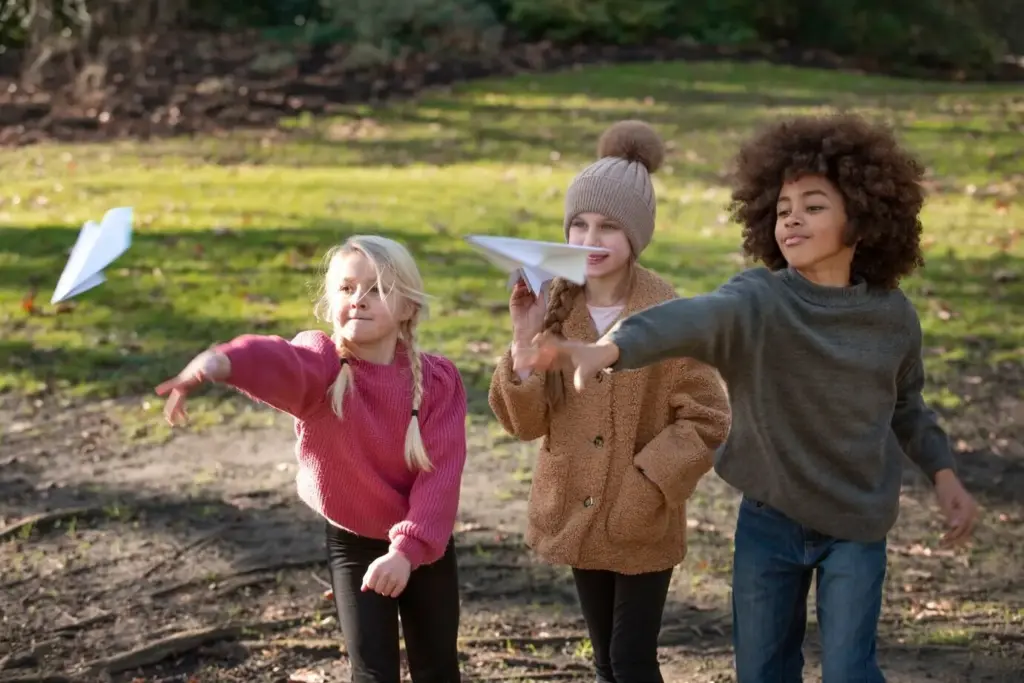
In Norway, Sweden, and Finland, everyday outdoor life treats drizzle or frost as normal. Preschools store spare mittens; parents pack thermoses; teachers plan fireside storytelling. Children gain resilience, autonomy, and body awareness. Try a weekly “forecast challenge,” recording sensations and strategies, and invite neighbors to exchange low-cost hacks for joyful, safe adventures.
Courtyards, Alleys, and Organized Park Time in Busy Cities
Dense Asian megacities and European historic centers rely on shared courtyards, rooftop gardens, and carefully scheduled parks. Here, play negotiates space, noise, and heat. Families rotate supervision, mark safe zones with chalk, and co-create portable shade. Post your alley games, favorite rooftop breezes, and local volunteer sign-ups that keep public spaces welcoming and lively.
Indigenous Knowledge and Respectful Play
Many Indigenous communities teach seasons through stories, tracking animals, and honoring water sources. Games embody navigation, tool care, and reciprocity. Invite cultural leaders to guide respectful activities and language use. Build relationships first, compensate expertise, and document consented lessons so children see stewardship, not extraction, as the heart of outdoor joy and learning.
Designing Playgrounds for Changing Climates
Materials That Survive Sun, Salt, and Frost
Water-Wise and Flood-Friendly Play
Shade, Wind, and Microclimate Crafting
Health, Safety, and Joy in Every Season
Air and Sun: Friends and Hazards
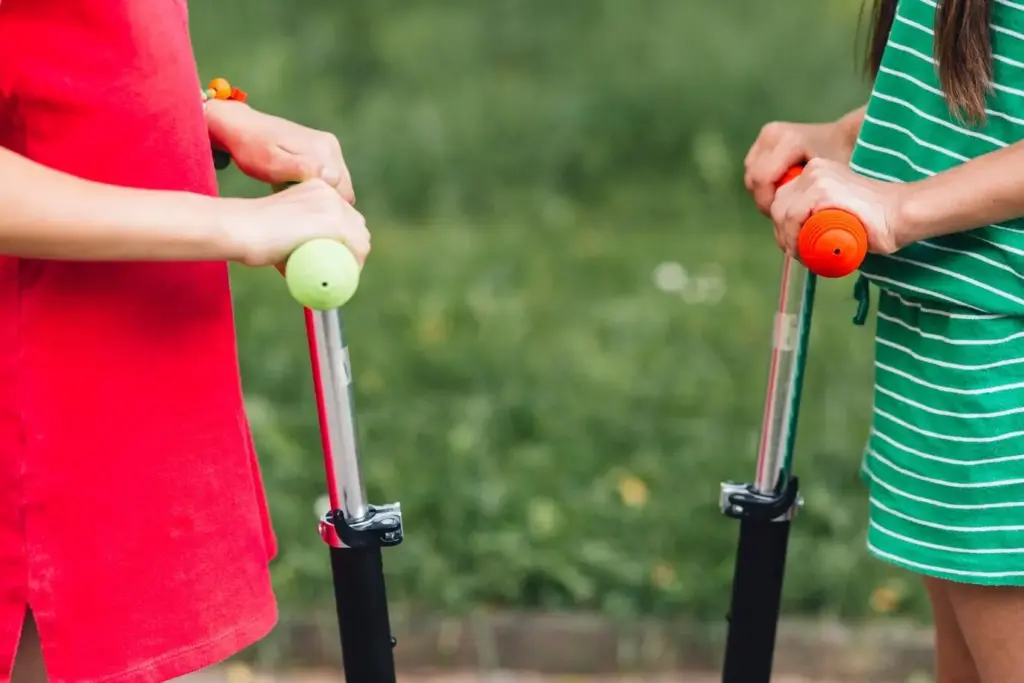
UV varies by latitude, altitude, and reflection from snow or water. Time outings to avoid peak exposure, and rotate shade breaks. Monitor air quality; adjust activities on smoky or dusty days. Encourage hats, sleeves, and hydration games. Post your favorite sun-safe challenges, celebrating clever strategies that protect skin while nurturing curiosity outdoors.
Seasonal Gear and Care Rituals
UV varies by latitude, altitude, and reflection from snow or water. Time outings to avoid peak exposure, and rotate shade breaks. Monitor air quality; adjust activities on smoky or dusty days. Encourage hats, sleeves, and hydration games. Post your favorite sun-safe challenges, celebrating clever strategies that protect skin while nurturing curiosity outdoors.
Play Equity in Challenging Environments
UV varies by latitude, altitude, and reflection from snow or water. Time outings to avoid peak exposure, and rotate shade breaks. Monitor air quality; adjust activities on smoky or dusty days. Encourage hats, sleeves, and hydration games. Post your favorite sun-safe challenges, celebrating clever strategies that protect skin while nurturing curiosity outdoors.
School Schedules and Weather-Savvy Policies
Neighborhood Story Circles and Memory Maps
Simple Metrics That Change Minds
From Pilot to Policy: Scaling What Works
All Rights Reserved.