
Ingenuity at Play: How Children Transform Everyday Materials into Joy

Today we explore improvised toys and make-do materials in children’s play worldwide, celebrating quick hands, bright eyes, and the resourcefulness that turns scraps into stories. From wire cars on dusty roads to kites stitched from newspapers and rice paste, children reveal design instincts, cultural memory, and environmental care without formal instruction, building community, problem-solving skills, and bold imagination along the way.

Why Found Objects Spark Playful Genius
Scarcity as an Engine of Creativity

Give a child a cardboard box and a handful of bottle caps, and watch it become a bus, a puppet theater, or a spaceship. Scarcity invites flexible thinking and sparks original solutions, because there is no single right answer. Kids learn to iterate, rehabbing missteps into new designs, discovering that failures are just bridges to better ideas, not walls blocking progress.

Embodied Learning Through Making

Give a child a cardboard box and a handful of bottle caps, and watch it become a bus, a puppet theater, or a spaceship. Scarcity invites flexible thinking and sparks original solutions, because there is no single right answer. Kids learn to iterate, rehabbing missteps into new designs, discovering that failures are just bridges to better ideas, not walls blocking progress.

Belonging and Identity in Handmade Play

Give a child a cardboard box and a handful of bottle caps, and watch it become a bus, a puppet theater, or a spaceship. Scarcity invites flexible thinking and sparks original solutions, because there is no single right answer. Kids learn to iterate, rehabbing missteps into new designs, discovering that failures are just bridges to better ideas, not walls blocking progress.

Materials at Hand: From Bottle Caps to Banana Fibers
Children’s supply chains are short and ingenious. Streets, fields, and kitchens offer bottle caps, cardboard, twine, wire, cloth scraps, clay, and plant fibers ready for transformation. These materials are free, abundant, and endlessly remixable, making experimentation accessible. Along the way, kids learn stewardship—cleaning, sorting, and reusing—folding practical sustainability into everyday fun without lectures, just tangible, repeatable actions that feel meaningful and empowering.

Urban Treasure Hunts

In cities, children scan sidewalks and alleys for wheels, lids, and sturdy boxes. A bent coat hanger becomes a steering axle; a plastic bottle turns into a rocket fuselage; newspapers stiffened with flour paste shape kites. These found parts form modular kits, encouraging quick swaps and upgrades. Playtime becomes a design sprint, where every street corner feels like a parts bin overflowing with possibilities.

Rural Abundance, Different Resources

In rural settings, nature provides a different palette: banana fibers braid into jump ropes, corn husks fold into dolls, clay molds into spinning tops, and bamboo becomes flutes or kite spars. Children gather, process, and test materials collaboratively, learning seasonal rhythms and respectful harvesting. This cycle intertwines craft and ecology, teaching that tools and toys emerge from relationships with landscapes, not just from stores.

Wire Cars Rolling in South Africa

Made from reclaimed wire and bottle caps, these cars feature real steering columns, doors, and even license plates. Children perfect bends with nails and pliers, testing turning radius on dusty paths. Adjusting axle width, wheel diameter, and weight distribution becomes a lesson in mechanics, while decorating with soda labels and paint adds flair. Races, repairs, and upgrades fuel community gatherings and collaborative learning.

Plastic-Bag Footballs Kicked Across East Africa

Layered plastic bags are twisted, wrapped with twine, and sometimes netted with cloth strips, forming durable, surprisingly bouncy balls. Makers tweak firmness by adding or removing layers, experimenting until the ball flies true. Matches bring entire neighborhoods together, proving that resourceful design beats expensive gear. When the outer wrap frays, kids patch and rebind, turning maintenance into another creative ritual and valuable real-world skill.

Design Principles Children Discover on Their Own
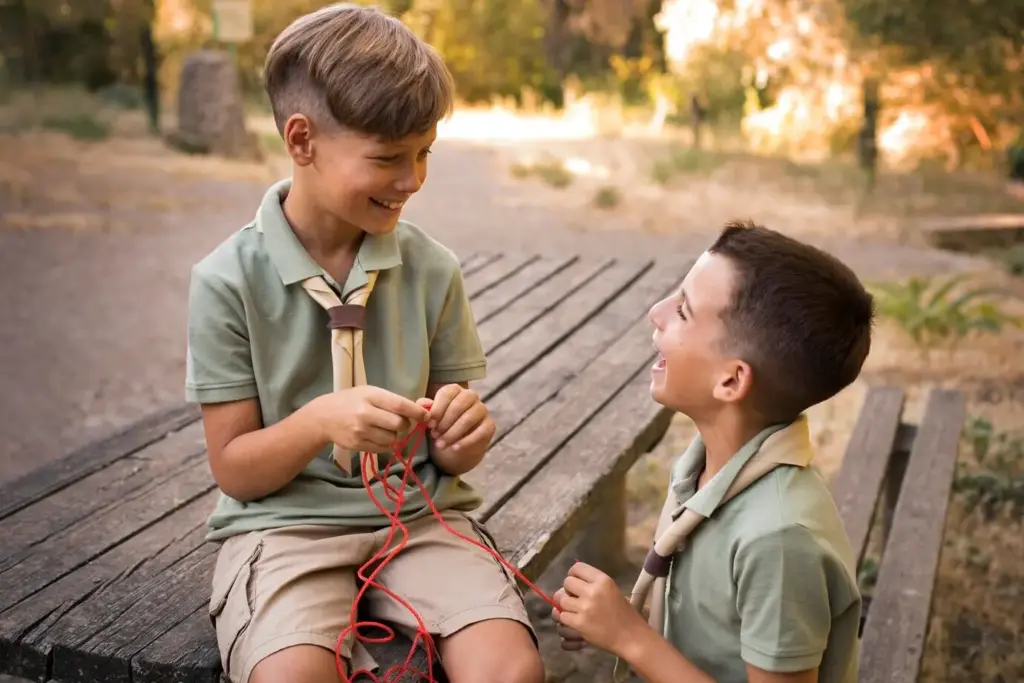
Improvised play functions like a studio class in miniature, where prototyping, testing, and iteration happen in quick cycles. Children learn to isolate variables, compare designs, and record results informally through stories and peer feedback. The process encourages patience with ambiguity and a growth mindset, turning every broken wheel or tangled string into the next clue toward sturdier, smoother, more delightful inventions.

Guides for Grown-Ups: Support Without Taking Over

Adults can amplify children’s experiments by providing time, safe spaces, and a stash of interesting offcuts while resisting the urge to direct outcomes. The goal is not flawless products but flourishing problem solvers. Offer encouragement, model safe tool use, and invite reflection, then step back. Autonomy nurtures confidence, and confidence invites deeper engagement, stronger persistence, and friendships forged through shared building adventures.

Set the Stage, Not the Script

Create a maker corner with sorted materials—caps, twine, cardboard, fabric, sticks—and simple tools. Establish safety rules everyone can recite. Then let children propose projects, negotiate roles, and choose goals. This keeps motivation intrinsic and collaboration authentic. Adults become facilitators who ask what is possible, not directors who dictate outcomes, protecting curiosity while ensuring boundaries that keep the workshop joyful and inclusive.

Ask Questions That Open Doors

Instead of giving answers, try prompts like, “What else could work?” or “How might you test that?” Invite kids to explain choices, compare prototypes, and consider trade-offs. Questions spark exploration and metacognition, helping children name strategies they already use. This language supports transfer to new challenges, building a durable habit of inquiry, self-assessment, and respectful dialogue in groups with diverse ages and abilities.

Sustainability and Ethics in Handcrafted Play

Improvised toys naturally model circularity: waste reenters life as tools for wonder. Yet representation matters, too. When celebrating these creations, avoid stereotypes and one-dimensional narratives. Credit makers, acknowledge context, and prioritize consent when sharing stories or images. By pairing environmental mindfulness with respectful storytelling, communities safeguard dignity, inspire cross-cultural curiosity, and show that responsible creativity can be joyful, equitable, and widely accessible.
Tenumixeninino
Privacy Overview

This website uses cookies so that we can provide you with the best user experience possible. Cookie information is stored in your browser and performs functions such as recognising you when you return to our website and helping our team to understand which sections of the website you find most interesting and useful.