
Together or Against: How Children Play Around the World
Origins in the Sandbox
Shared Goals Before Shared Glory
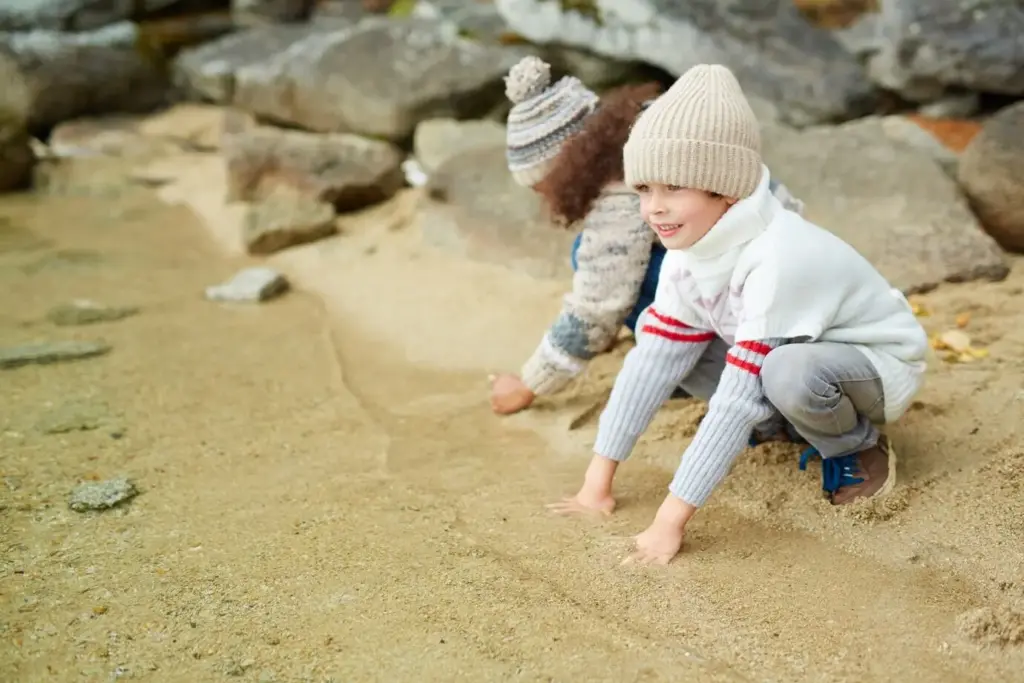
When children plan to build one towering sandcastle, the excitement shifts from possession to purpose. They negotiate who gathers water, who fortifies walls, and who scouts for shells. The collective goal becomes a social glue that reduces status anxiety and lowers the stakes of mistakes. Even the quietest child finds a role, discovering that success can spread across many hands. This early experience plants a seed: sometimes the most satisfying victories are ones that cannot be achieved alone, even when praise is unevenly distributed.
Learning Rules as a Social Contract
A rule is not only a constraint; it is a promise that everyone will be treated predictably. Children enforce and bend rules to test fairness, often pausing to restart a game until outcomes feel legitimate. In a mixed-age group, older kids explain exceptions, younger kids ask why, and new compromises emerge. This micro-democracy teaches process over impulse. Whether resolving a disputed boundary line or redefining a scoring method, the lesson sticks: rules express trust, and revising them respectfully keeps groups intact after a close call or emotional moment.
Culture as a Playground Architect
When Harmony Leads the Way
In contexts where relationships are guarded like heirlooms, children often design activities that keep everyone involved. Passing circles, call-and-response songs, and rotating roles reduce the risk of exclusion. Winning takes a backseat to continuity, so games pause to include latecomers or reassign players to balance abilities. Caregivers praise patience, sharing equipment, and honoring collective decisions. Over time, kids expect to be seen as contributors first, stars second, and learn to restore connections quickly after conflict. The measure of success becomes togetherness that survives setbacks and celebrates small improvements.
Where Boldness Sets the Pace
In places that prize self-assertion and clear outcomes, children lean into decisive finishes. Sprint-and-score games, timed challenges, and individual feats earn applause, while stats and standings become lunchtime debates. Losing is reframed as an invitation to practice, iterate, and try again. Parents and teachers model constructive rivalry by emphasizing preparation, sportsmanship, and reflective self-assessment. This culture can still hold kindness close, yet it validates visible ambition. Kids absorb the message that effort, strategy, and risk can be honorable, especially when graciousness greets both victory and defeat.
Blended Identities, Blended Play
Migration, online communities, and multicultural classrooms mix traditions, generating hybrid games that marry careful teamwork with pulsing competitiveness. A recess circle might start cooperative, then shift into timed rounds that raise the energy without erasing inclusion. Children translate rules across languages, borrowing chants, adapting gestures, and redesigning equipment from household items. In these spaces, flexibility becomes a skill: players learn to switch frames, salute individual flair, and still guard the group’s joy. The result is innovative play that honors heritage while absorbing fresh ideas with curiosity.
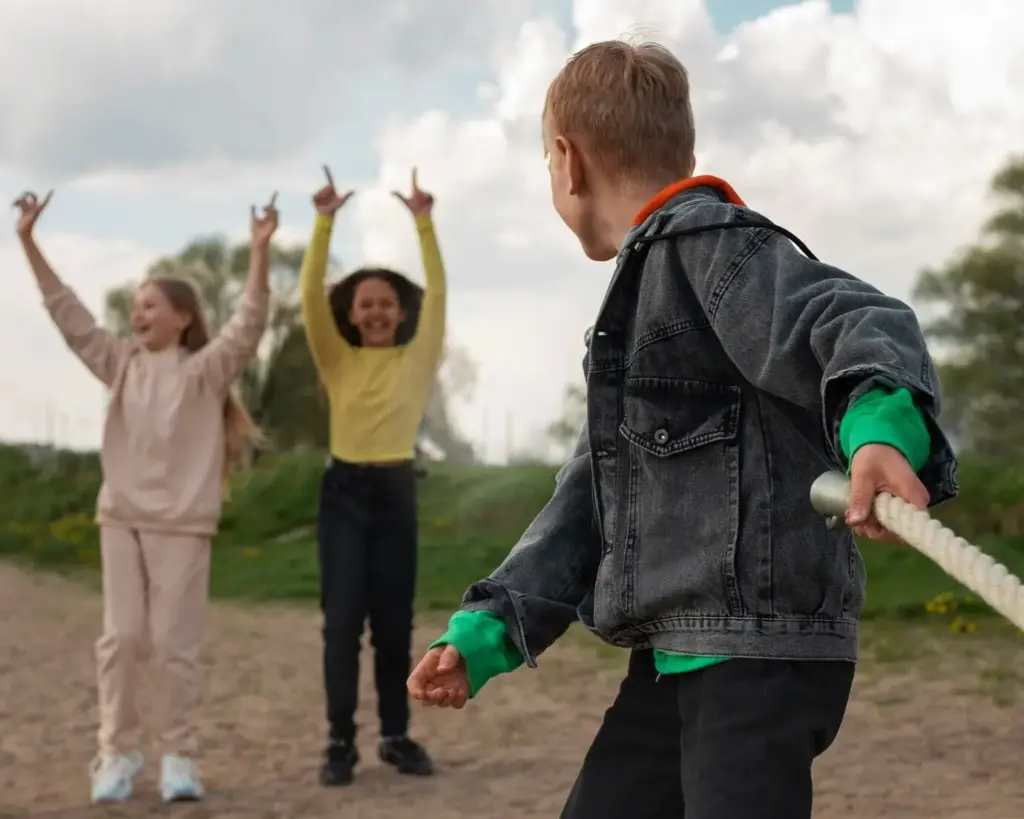
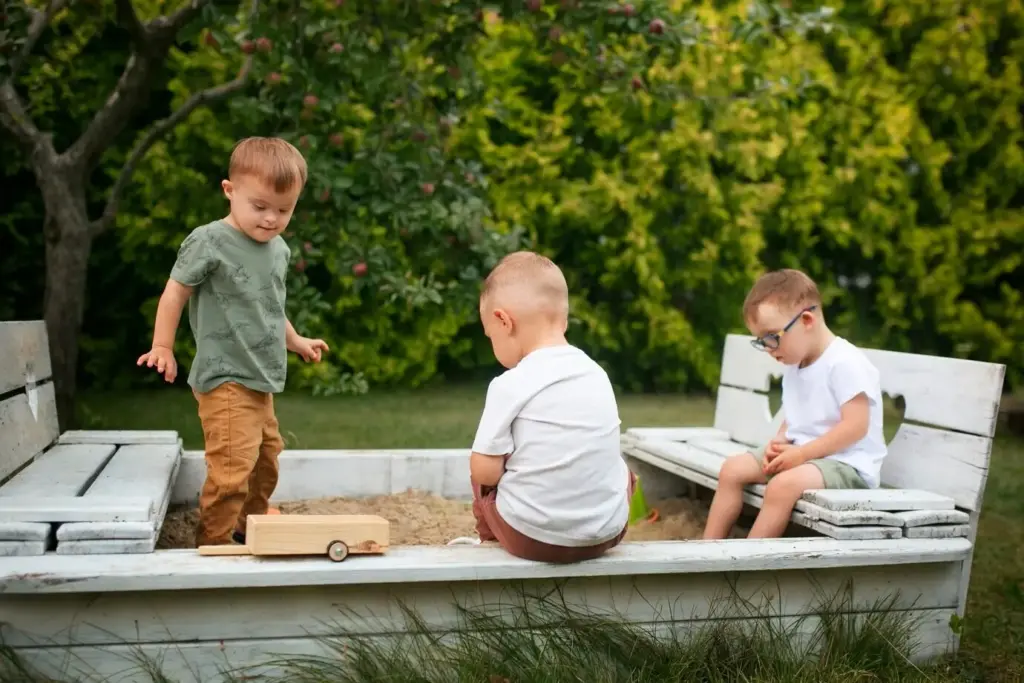
Field Notes from Streets and Schoolyards
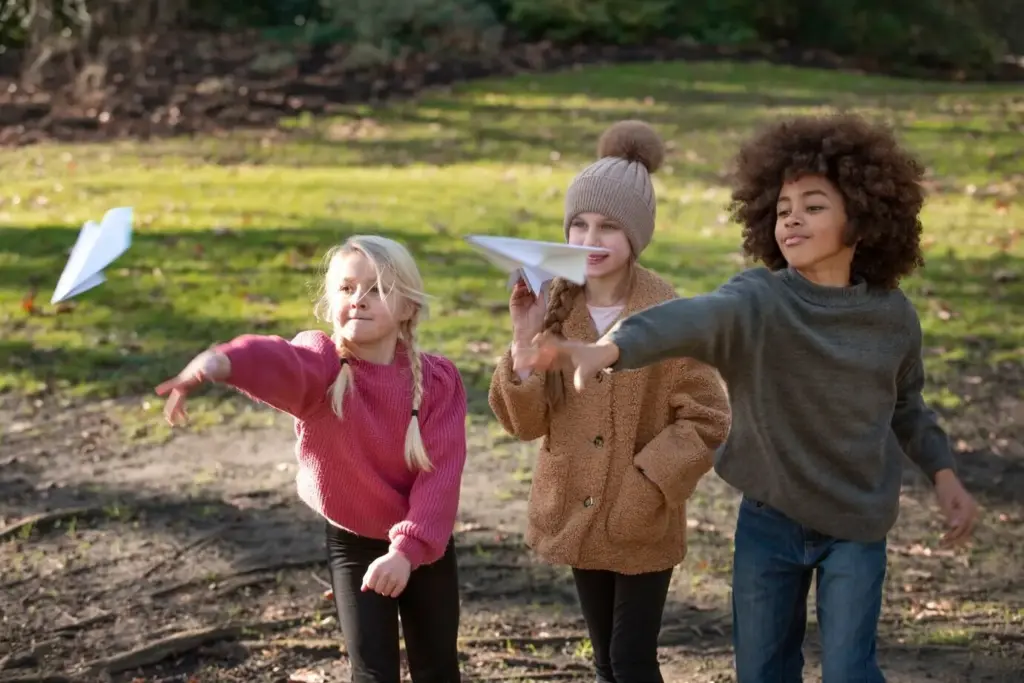
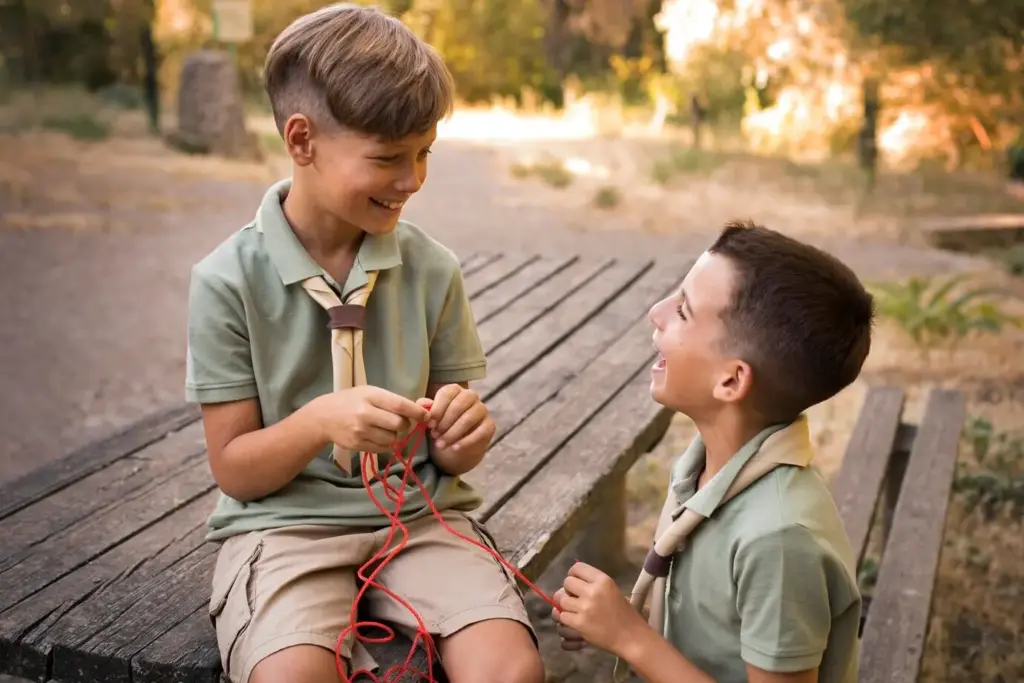
Designing Inclusive Play Experiences
Mechanics That Invite Everyone In
Facilitation, Safety, and Repair
Measuring What Matters
Online Collaboration That Builds Worlds
Healthy Rivalry in Esports and Ladders
Hybrid Playgrounds and the Road Ahead
From Courtyard to Server
All Rights Reserved.