
Joy, Ritual, and Little Hands at Play

Today we explore the cultural meanings behind festival and holiday games for children, discovering how playful traditions carry ancestral memory, shared values, and community spirit. Through stories, symbols, and simple rules, these joyful gatherings quietly teach identity, empathy, and resilience while keeping living heritage vibrant and welcoming for new generations.

Why Festive Play Preserves Cultural Memory

Rituals Wrapped in Laughter

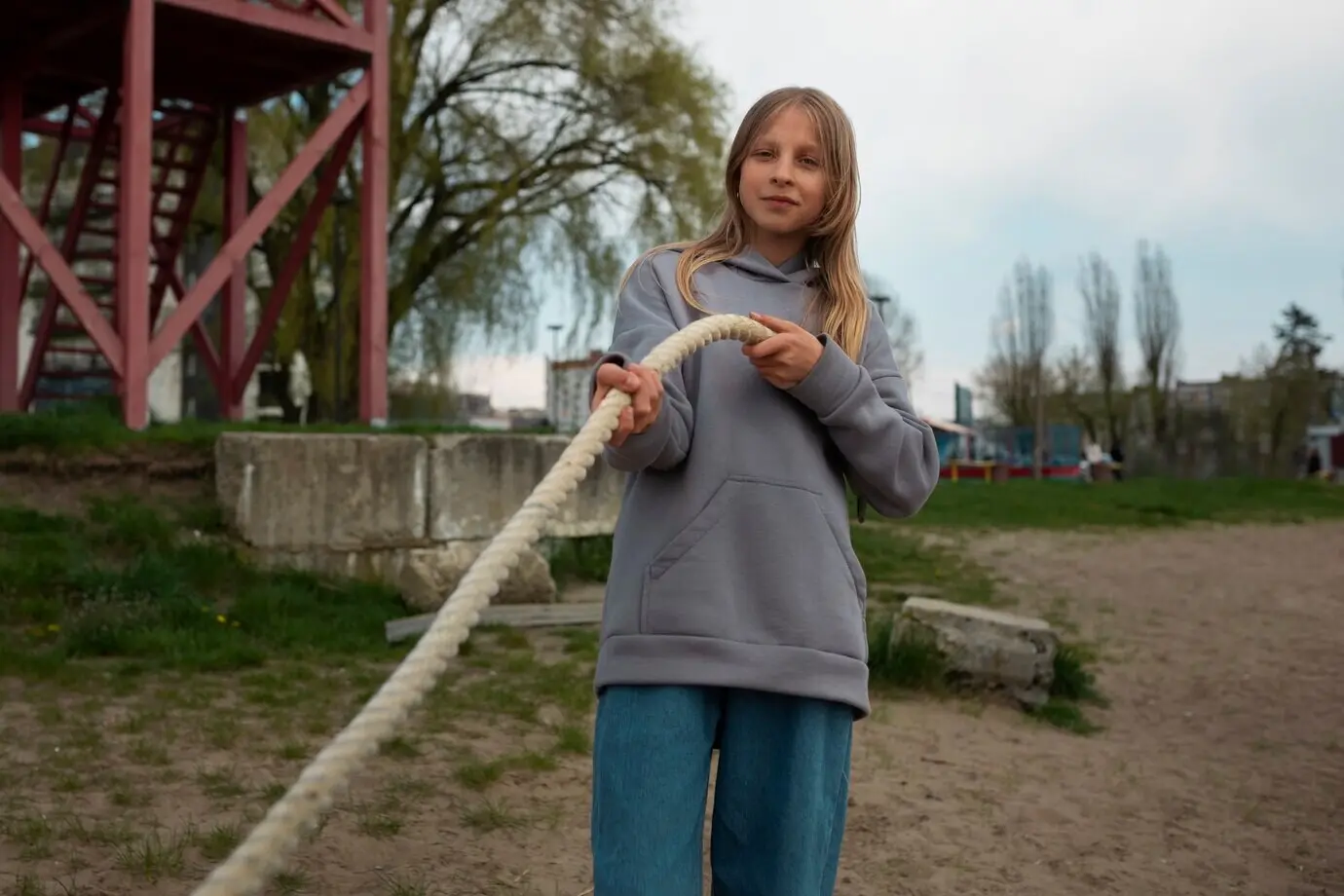
Consider how an egg hunt transforms spring into a tangible search for renewal, or how spinning a dreidel evokes perseverance through uncertainty. A piñata releases shared abundance after collective effort, while tug-of-war at harvest fairs dramatizes teamwork. Each playful moment carries symbols that children internalize long before they can articulate them.

The Hidden Classroom of Celebration

Festive games are an informal school where rules model fairness, waiting turns teaches patience, and chants synchronize breathing and spirit. Children learn to negotiate, cheer others, and accept outcomes gracefully. These experiences weave social literacy into delight, forging emotional memories that later blossom into empathy, civic trust, and cultural appreciation.

Grandparents as Game Masters

When elders teach the steps of a circle dance or the timing of a riddle game, they pass down more than instructions. Their stories, gestures, and gentle corrections embody lived history. Children sense continuity, feel seen, and experience care as knowledge, transforming simple play into a memorable conversation across generations.

Symbols, Props, and Secret Codes in Children’s Festive Games

From colors to materials, every detail in celebratory play can encode meaning. A star-shaped piñata mirrors guiding hope, spinning tops embody cycles, and circled hands suggest unity. Chants, numbers, and rhythms act like passwords, inviting children into shared understanding where heritage becomes tactile, audible, and joyfully unforgettable.

Colors and Costumes Speak

Bright reds offer luck, whites promise new beginnings, and golds whisper prosperity. When children don paper crowns, embroidered vests, or wearable crafts, they inhabit a role that blends imagination with heritage. Dressing for play teaches symbolism bodily, reinforcing cultural cues through texture, movement, and the celebratory thrill of transformation.

Chants and Counting Rhymes

Repetitive phrases keep tradition steady, guiding steps, allocating turns, and easing disputes. Rhymes carry moral cues, histories, or blessings, compressed into melodies children remember for years. Rhythm unites breath and bodies, making fairness feel musical, and transforming potentially chaotic excitement into predictable, comforting, and culturally resonant choreography.

Circles, Lines, and Shared Space

Game shapes matter. Circles invite equality and belonging; lines suggest journeys, processions, and respectful order. Marked boundaries teach gentle restraint while preserving freedom to move. Children learn spatial courtesy, implicit cooperation, and the power of formation, discovering how bodies and places speak values long before difficult concepts become words.

Around the World in Play: Comparative Snapshots

Travel through celebrations by watching how children play. Each setting remixes joy with history: spinning, chasing, puzzling, sharing. Compare objects, rules, and rewards to see how communities nurture memory. These glimpses are invitations to appreciate difference while finding familiar heartbeats—laughter, curiosity, patience, and generosity—echoing across continents and generations.

Spin, Share, and Remember

Spinning games surface in many celebrations. The dreidel encourages playful chance while recalling perseverance; whirling tops around New Year symbolize fresh cycles. Children negotiate stakes, celebrate little wins, and practice acceptance. Spinning embodies time turning, teaching resilience and delight as cultures welcome a new chapter with humble courage.
Lights, Riddles, and Lanterns

Lantern festivals invite children to solve riddles that weave language, humor, and history. Warm light becomes a moving page where curiosity leads understanding. Families explain references, kids guess boldly, and laughter greets unlikely answers. In this glow, learning feels adventurous, and words become bridges between elders’ wisdom and young wonder.
Breaking the Sweet Sky

Beneath a star-shaped piñata, children take careful turns, encouraged by lively songs and supportive cheers. After a few swings, treats shower everyone, not just the striker. Sharing sweetness dramatizes abundance. It ritualizes community care, reminding families that joy expands when distributed, and victory becomes complete only when generosity leads celebration.
Values Learned Through Celebration

Holiday play shapes character through repetition and shared delight. Cooperation becomes habit, courage grows in safe risks, and fairness develops when rules are honored and discussed. Children absorb both explicit lessons and subtle cues, forming ethical instincts that later guide friendships, teamwork, and compassionate citizenship beyond the festive season.

From Courtyard to Screen: Adapting Traditions Today

Modern families remix classic games with new spaces and tools. Yards become balconies, courtyards become living rooms, and distant relatives join through video. The best adaptations preserve meaning while adjusting mechanics, ensuring that accessibility, safety, and inclusion guide updates without flattening the symbolic heart that makes each celebration distinct.

Ask Elders, Research, and Listen

Invite grandparents, caregivers, and community leaders to explain familiar activities and their histories. Read a few sources, then compare versions. Listening uncovers the nonnegotiables worth preserving and the flexible details ripe for creativity. This collaboration builds respect, excitement, and a shared sense that everyone contributes to meaningful, memory-rich celebration.

Design Mechanics That Match Meaning

If you want to highlight generosity, reward sharing. To teach patience, structure turns clearly and predictably. Choose colors, music, and props that echo values. Write concise rules, test with children, adjust difficulty, and keep safety central. When mechanics and message align, joy feels purposeful, memorable, and wonderfully contagious.

Share, Reflect, and Keep It Alive

After the celebration, ask children what they felt and learned, then record their insights. Post photos, instructions, or short stories to inspire others. Comment with your family’s favorite holiday game and why it matters, subscribe for future guides, and join our conversation so traditions continue growing through thoughtful, playful stewardship.

Tenumixeninino
Privacy Overview

This website uses cookies so that we can provide you with the best user experience possible. Cookie information is stored in your browser and performs functions such as recognising you when you return to our website and helping our team to understand which sections of the website you find most interesting and useful.