Under Every Sky: Childhood Adventures Shaped by Weather and Place

Today we explore how climate and environment shape outdoor play in different countries, tracing monsoon-soaked alleyways, Nordic snowfields, Saharan courtyards, and breezy coastal parks. Expect lived stories, practical tips, and design ideas inviting families, educators, and city planners to reimagine outdoor childhood with curiosity, empathy, and resilience across seasons and regions.

Weather as the First Playground Designer

Before slides, balls, or chalk appear, clouds, temperature, wind, and humidity set the rules. A Finnish preschool naps outside at minus five, while Singaporean toddlers splash through sudden rain. Understanding patterns builds trust, planning, and joy. Share your own weather ritual, and tell us when play feels most alive in your neighborhood.

Cold, Snow, and the Art of Layering Games

In snowy regions, layering turns endurance into delight. Children learn pacing, warmth, and risk assessment through sledding, snow forts, and icy balance challenges. Educators schedule warm-up breaks, rotate mittens, and celebrate rosy cheeks. Consider a neighborhood “warm gear library,” inviting donations and swaps so every child can tumble through winter with confidence.

Heat, Shade, and the Rhythm of Early Mornings

Hot climates teach timing and resourcefulness. Families gather at dawn, using shade corridors, light fabrics, evaporative cooling, and frequent water breaks. Games shift from sprinting to strategy to protect energy. Map your local shade islands, plant fast-growing trees, and crowdsource favorite sunrise play spots to keep outdoor joy accessible year-round.

Rain, Mud, and Joyful Messiness

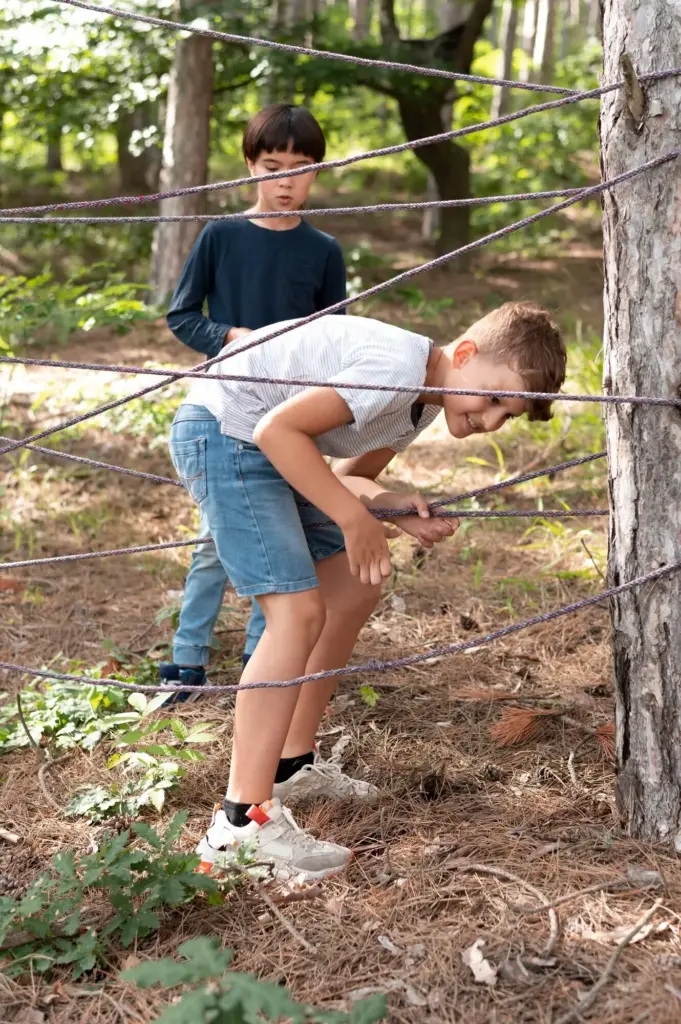
Rain reshapes footsteps into splashes and quiet corners into rivers. Children experiment with buoyancy, flow, and soil types using leaves, sticks, and pebbles as impromptu engineers. Waterproof layers make exploration safer and longer. Start a “mud day” tradition, document discoveries, and normalize cleanup rituals to honor spontaneous, sensory learning in unpredictable weather.
Landscapes That Teach

Cultures of Outdoor Childhood

Customs turn weather into invitation. Nordic families embrace everyday outdoor life; Japanese schools practice nature walks in drizzle; Mediterranean towns close streets for evening play; Andean communities blend chores with mountain games. Ask elders for childhood rules, celebrate seasonal festivals, and weave multilingual playground chants to keep intergenerational wisdom alive and playful together.

Nordic Everyday Outdoor Life: Ordinary Magic in Any Forecast

In Norway, Sweden, and Finland, everyday outdoor life treats drizzle or frost as normal. Preschools store spare mittens; parents pack thermoses; teachers plan fireside storytelling. Children gain resilience, autonomy, and body awareness. Try a weekly “forecast challenge,” recording sensations and strategies, and invite neighbors to exchange low-cost hacks for joyful, safe adventures.

Courtyards, Alleys, and Organized Park Time in Busy Cities

Dense Asian megacities and European historic centers rely on shared courtyards, rooftop gardens, and carefully scheduled parks. Here, play negotiates space, noise, and heat. Families rotate supervision, mark safe zones with chalk, and co-create portable shade. Post your alley games, favorite rooftop breezes, and local volunteer sign-ups that keep public spaces welcoming and lively.

Indigenous Knowledge and Respectful Play

Many Indigenous communities teach seasons through stories, tracking animals, and honoring water sources. Games embody navigation, tool care, and reciprocity. Invite cultural leaders to guide respectful activities and language use. Build relationships first, compensate expertise, and document consented lessons so children see stewardship, not extraction, as the heart of outdoor joy and learning.

Designing Playgrounds for Changing Climates
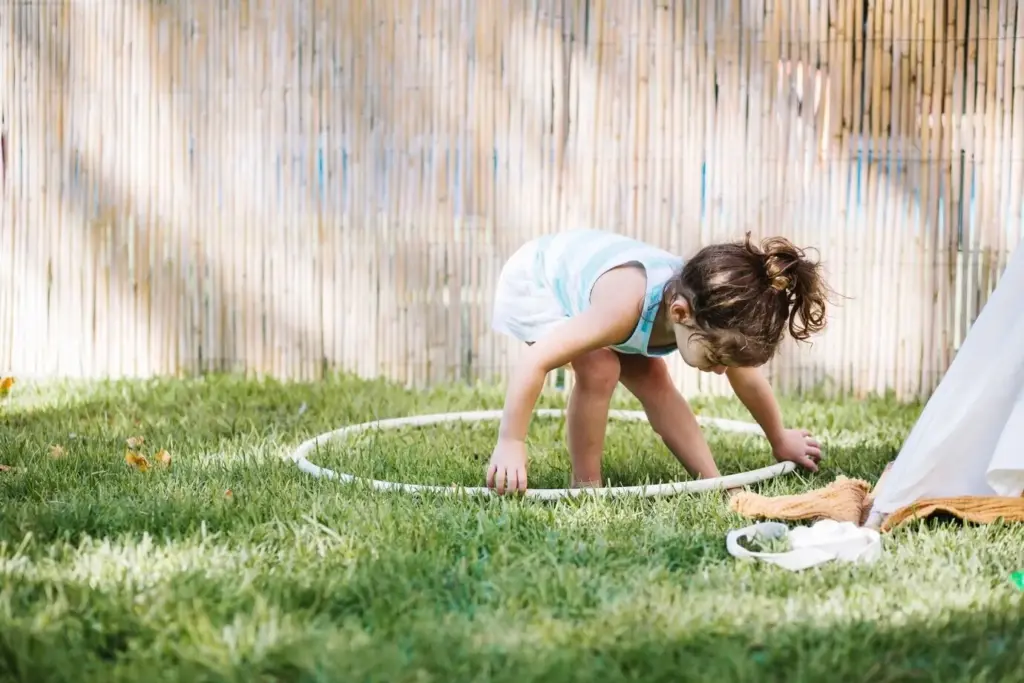
Resilient play spaces adapt to heat, floods, storms, and drought. Designers choose permeable surfaces, deciduous shade, wind baffles, cool colors, and modular equipment. Children co-design water rills or sand channels that double as drainage. Share photos of clever local fixes and help advocate for climate-ready play features through school boards and neighborhood councils.

Materials That Survive Sun, Salt, and Frost
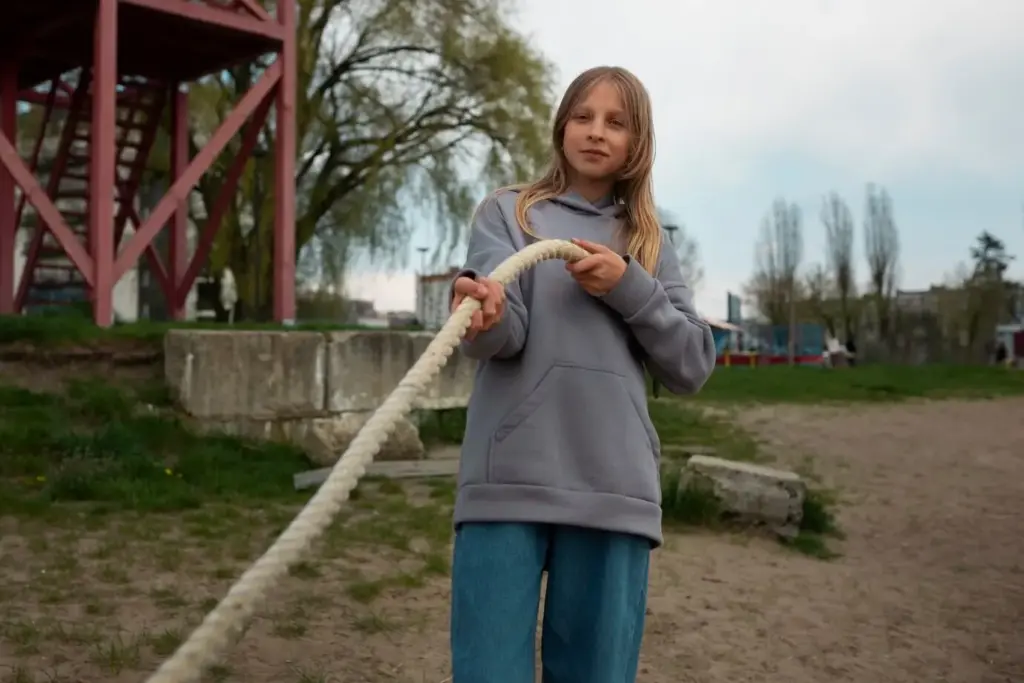
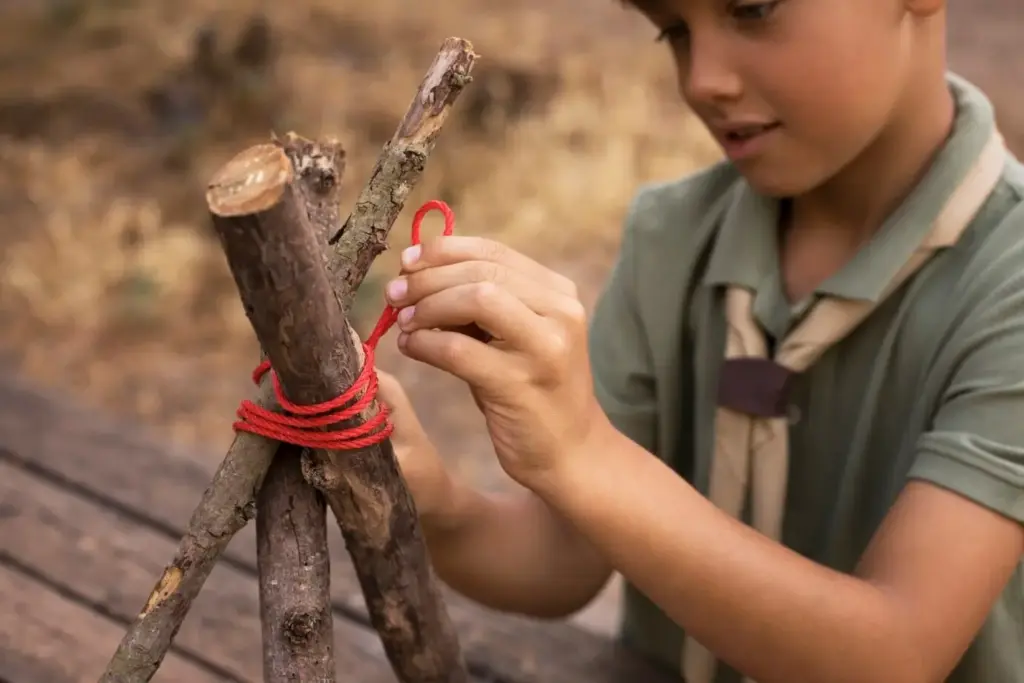
UV-resistant ropes, stainless fasteners, sustainably treated wood, and recycled rubber handle extreme swings. Avoid heat-sinking metals in hot regions; select salt-tolerant coatings near coasts; choose freeze-thaw flexible joints in snowy zones. Post-maintenance rituals matter. Co-create a seasonal checklist and crowdsource suppliers balancing durability, safety, beauty, and budgets for community-driven upgrades.

Water-Wise and Flood-Friendly Play

In flood-prone areas, raised platforms, swales, rain gardens, and sacrificial sand pits turn hazard into learning. Children channel water, watch infiltration, and graph storm patterns. Install hand pumps and safe rills for tinkering during dry days. Share simple experiments, then join local councils advocating nature-based solutions that keep play welcoming after heavy rains.

Shade, Wind, and Microclimate Crafting

Shade sails, pergolas, drought-tolerant trees, and reflective surfaces lower radiant heat. Windbreaks calm gusts without blocking breezes. Mist poles provide quick cooldowns where water is available. Invite kids to map hot spots, then test fixes. Publish results, inspiring small, replicable changes that make summers safer and winters more comfortable for everyone involved.

Health, Safety, and Joy in Every Season
Air and Sun: Friends and Hazards

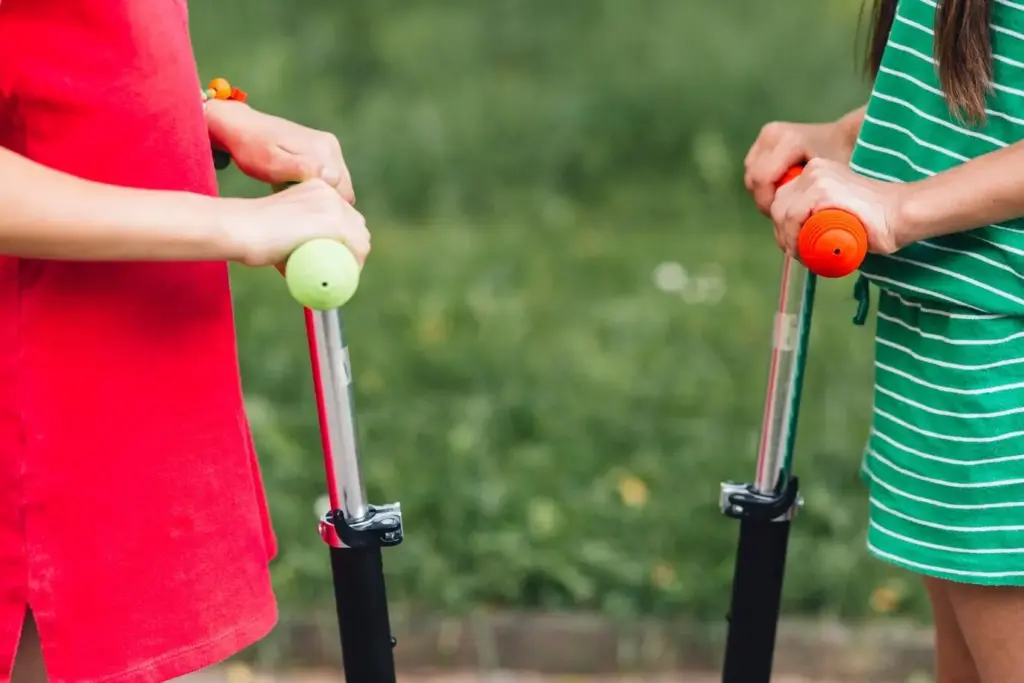
UV varies by latitude, altitude, and reflection from snow or water. Time outings to avoid peak exposure, and rotate shade breaks. Monitor air quality; adjust activities on smoky or dusty days. Encourage hats, sleeves, and hydration games. Post your favorite sun-safe challenges, celebrating clever strategies that protect skin while nurturing curiosity outdoors.

Seasonal Gear and Care Rituals

UV varies by latitude, altitude, and reflection from snow or water. Time outings to avoid peak exposure, and rotate shade breaks. Monitor air quality; adjust activities on smoky or dusty days. Encourage hats, sleeves, and hydration games. Post your favorite sun-safe challenges, celebrating clever strategies that protect skin while nurturing curiosity outdoors.

Play Equity in Challenging Environments

UV varies by latitude, altitude, and reflection from snow or water. Time outings to avoid peak exposure, and rotate shade breaks. Monitor air quality; adjust activities on smoky or dusty days. Encourage hats, sleeves, and hydration games. Post your favorite sun-safe challenges, celebrating clever strategies that protect skin while nurturing curiosity outdoors.

School Schedules and Weather-Savvy Policies
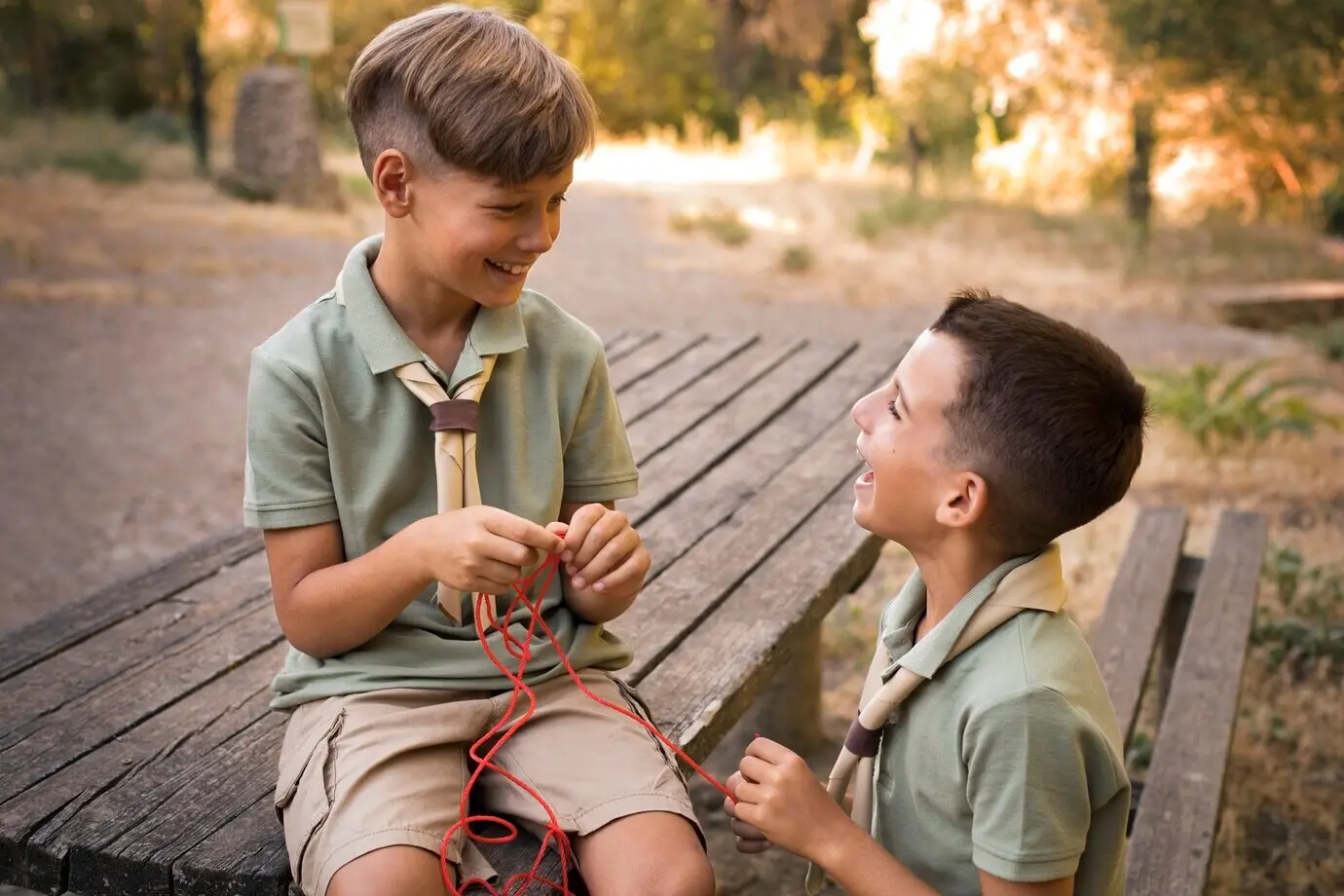
Recess rules differ widely: some cancel for drizzle, others outfit children for storms. Align policies with local climates, equity, and learning goals. Consider outdoor classrooms, rotating micro-activities, and flexible start times. Invite families to co-write guidelines, ensuring consistency, dignity, and playful momentum even when forecasts change quickly throughout the school year.

Neighborhood Story Circles and Memory Maps

Host gatherings where families mark favorite breezes, winter sun pockets, and puddle routes on shared maps. Record short audio memories from elders and kids. Publish insights to inspire micro-interventions. Invite neighbors to adopt small projects, proving that playful resilience grows fastest when community knowledge leads, listens, and learns through lived experience.

Simple Metrics That Change Minds

Measure surface temperatures, shade coverage, wind speeds, and attendance before and after small updates. Compare heat-safe hours by month. Graph costs versus benefits, highlighting health and engagement gains. When numbers and stories align, funding flows. Share templates and mentor another neighborhood, amplifying solutions that fit climate realities without sacrificing delight or inclusion.

From Pilot to Policy: Scaling What Works

Turn small wins into enduring practice. Document maintenance plans, train staff, and budget replacement cycles. Translate guides, ensure accessibility, and codify community roles. Present results to councils and school boards. Share your roadmap so others replicate successes, building a global patchwork of outdoor childhoods thriving through climate-aware care and collective imagination.
Tenumixeninino
Privacy Overview

This website uses cookies so that we can provide you with the best user experience possible. Cookie information is stored in your browser and performs functions such as recognising you when you return to our website and helping our team to understand which sections of the website you find most interesting and useful.