Together or Against: How Children Play Around the World

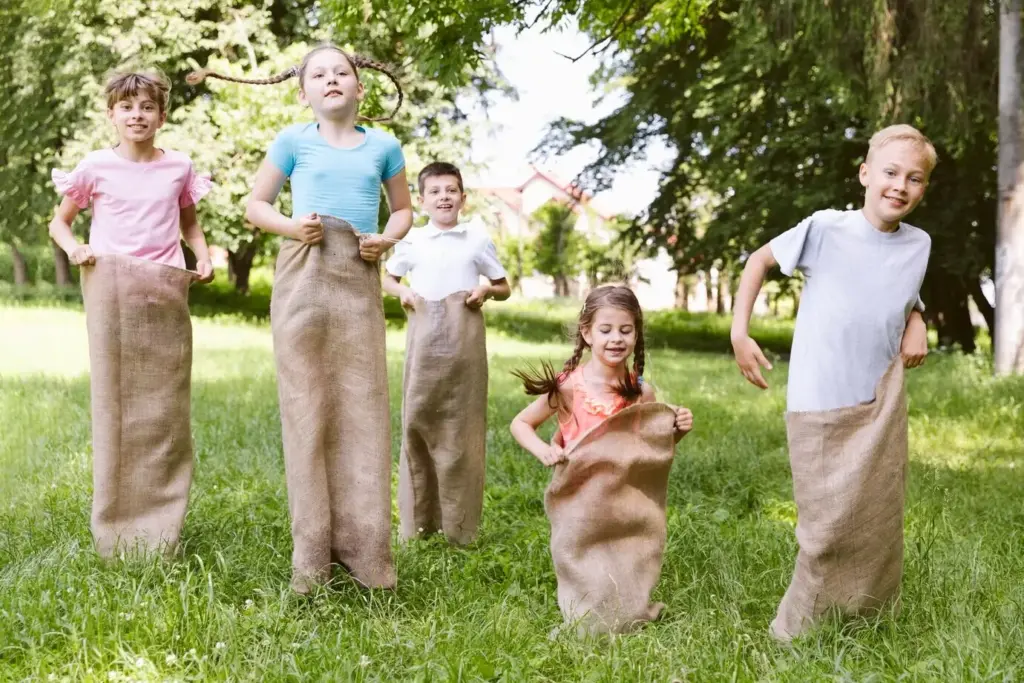
Today we explore Cooperative vs Competitive Play: Cross-Cultural Patterns in Childhood Games, tracing how children collaborate, rival, and invent rules that mirror community values. Expect vivid examples, small classroom stories, and practical takeaways. Share a childhood game you loved, describe how it encouraged helping or winning, and invite a friend to compare notes. Your memories will enrich this journey and help us understand how local customs, family expectations, and neighborhood spaces all shape the games kids choose and cherish.

Origins in the Sandbox

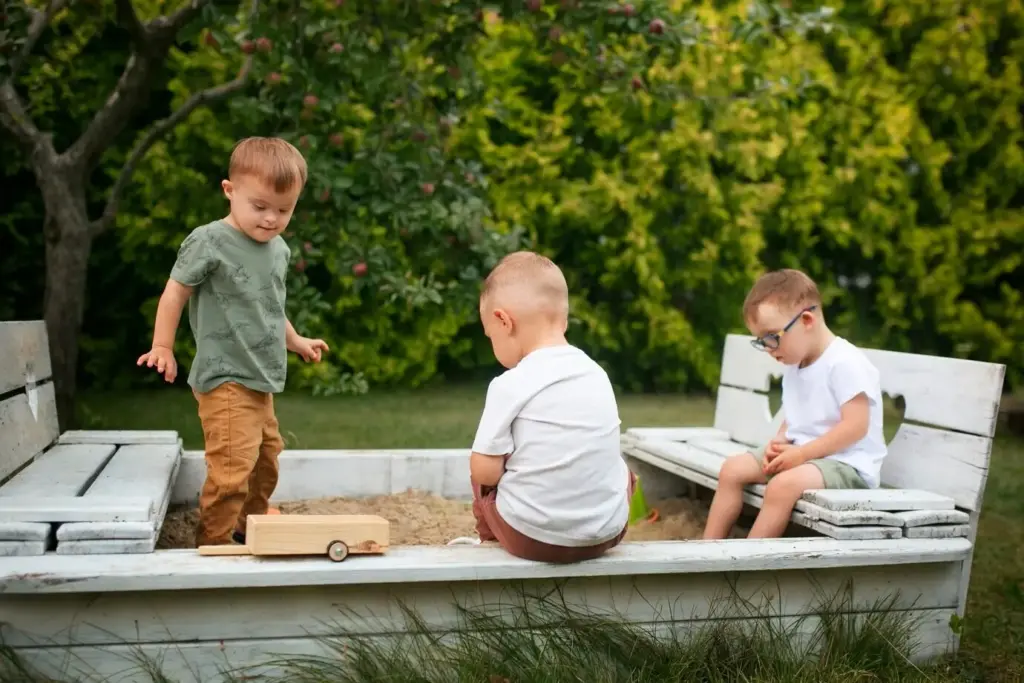
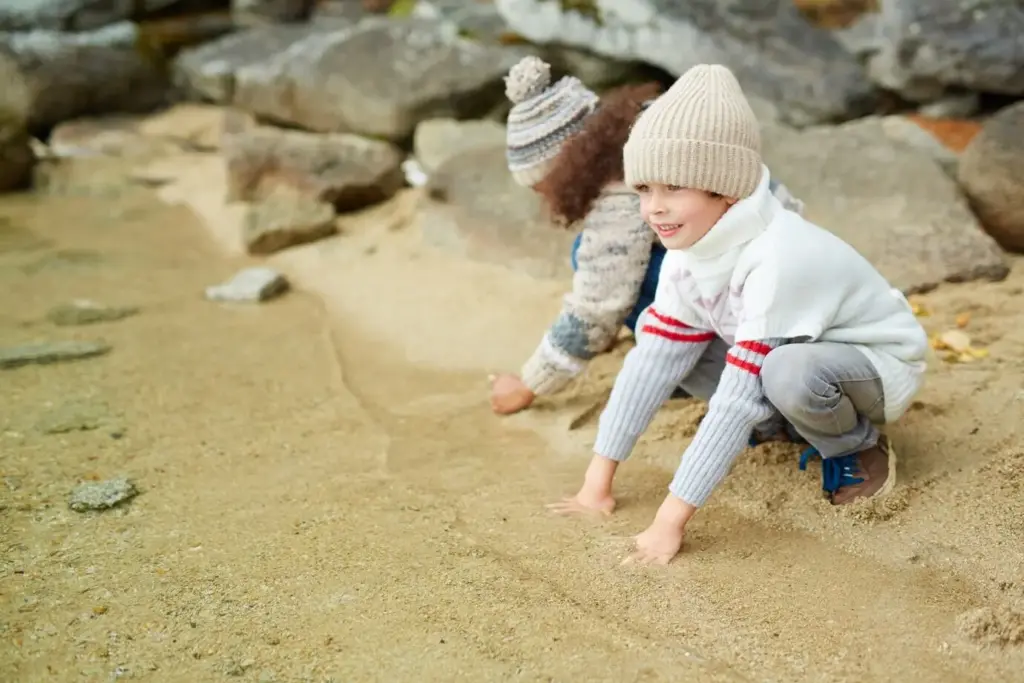
Early play sketches the blueprint for social life. In sandpits, courtyards, and tiny schoolyards, toddlers practice sharing tools, reading faces, and repairing small misunderstandings. A teacher’s gentle prompt, a sibling’s compromise, or a grandparent’s proverb can transform squabbles into cooperation, while scarcity of materials nudges kids to invent turn-taking rituals. These beginnings matter because they encode expectations: whether a child seeks allies first, pushes to win quickly, or pauses to invite others reflects habits learned while building castles, digging tunnels, and naming the rules together.

Shared Goals Before Shared Glory

When children plan to build one towering sandcastle, the excitement shifts from possession to purpose. They negotiate who gathers water, who fortifies walls, and who scouts for shells. The collective goal becomes a social glue that reduces status anxiety and lowers the stakes of mistakes. Even the quietest child finds a role, discovering that success can spread across many hands. This early experience plants a seed: sometimes the most satisfying victories are ones that cannot be achieved alone, even when praise is unevenly distributed.

Learning Rules as a Social Contract

A rule is not only a constraint; it is a promise that everyone will be treated predictably. Children enforce and bend rules to test fairness, often pausing to restart a game until outcomes feel legitimate. In a mixed-age group, older kids explain exceptions, younger kids ask why, and new compromises emerge. This micro-democracy teaches process over impulse. Whether resolving a disputed boundary line or redefining a scoring method, the lesson sticks: rules express trust, and revising them respectfully keeps groups intact after a close call or emotional moment.
Culture as a Playground Architect

Neighborhood customs, language rhythms, and family expectations quietly shape what counts as good play. In some communities, kids earn praise for protecting the group’s harmony; elsewhere, they are cheered for fearless risk-taking and bold scoring. Space matters too: dense apartment courtyards favor collaborative puzzles with minimal equipment, while wide fields invite sprinting rivalries. Holidays, chants, and local legends infuse games with meaning. By examining these subtle cues, we witness how cooperation and competition coexist, spar, and reconcile according to each culture’s understanding of fairness, belonging, and pride.

When Harmony Leads the Way

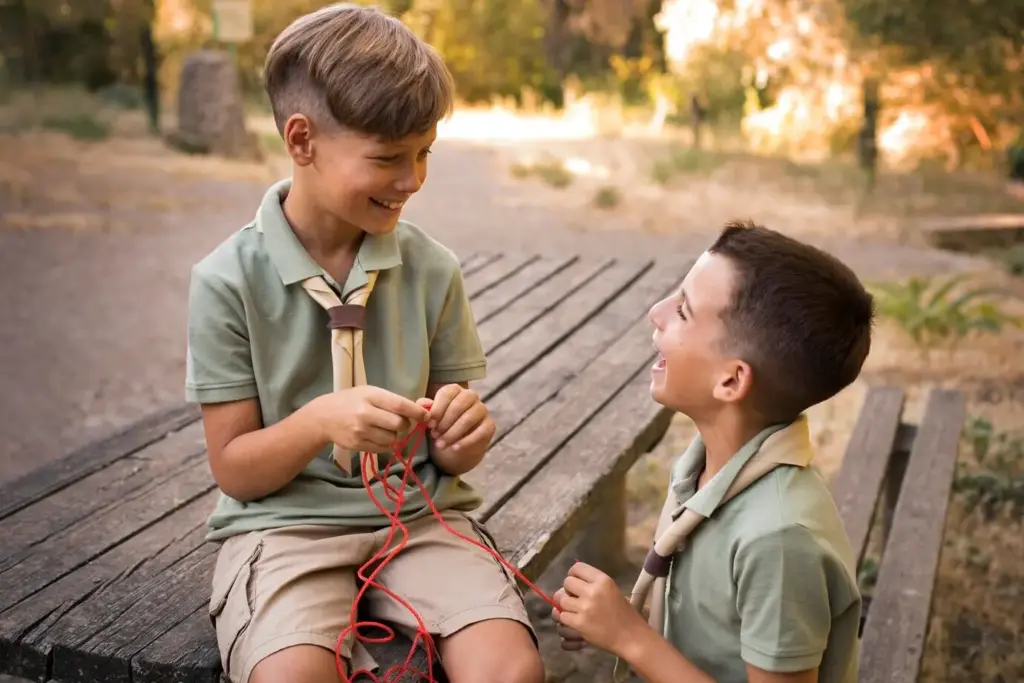
In contexts where relationships are guarded like heirlooms, children often design activities that keep everyone involved. Passing circles, call-and-response songs, and rotating roles reduce the risk of exclusion. Winning takes a backseat to continuity, so games pause to include latecomers or reassign players to balance abilities. Caregivers praise patience, sharing equipment, and honoring collective decisions. Over time, kids expect to be seen as contributors first, stars second, and learn to restore connections quickly after conflict. The measure of success becomes togetherness that survives setbacks and celebrates small improvements.

Where Boldness Sets the Pace

In places that prize self-assertion and clear outcomes, children lean into decisive finishes. Sprint-and-score games, timed challenges, and individual feats earn applause, while stats and standings become lunchtime debates. Losing is reframed as an invitation to practice, iterate, and try again. Parents and teachers model constructive rivalry by emphasizing preparation, sportsmanship, and reflective self-assessment. This culture can still hold kindness close, yet it validates visible ambition. Kids absorb the message that effort, strategy, and risk can be honorable, especially when graciousness greets both victory and defeat.

Blended Identities, Blended Play

Migration, online communities, and multicultural classrooms mix traditions, generating hybrid games that marry careful teamwork with pulsing competitiveness. A recess circle might start cooperative, then shift into timed rounds that raise the energy without erasing inclusion. Children translate rules across languages, borrowing chants, adapting gestures, and redesigning equipment from household items. In these spaces, flexibility becomes a skill: players learn to switch frames, salute individual flair, and still guard the group’s joy. The result is innovative play that honors heritage while absorbing fresh ideas with curiosity.
Field Notes from Streets and Schoolyards
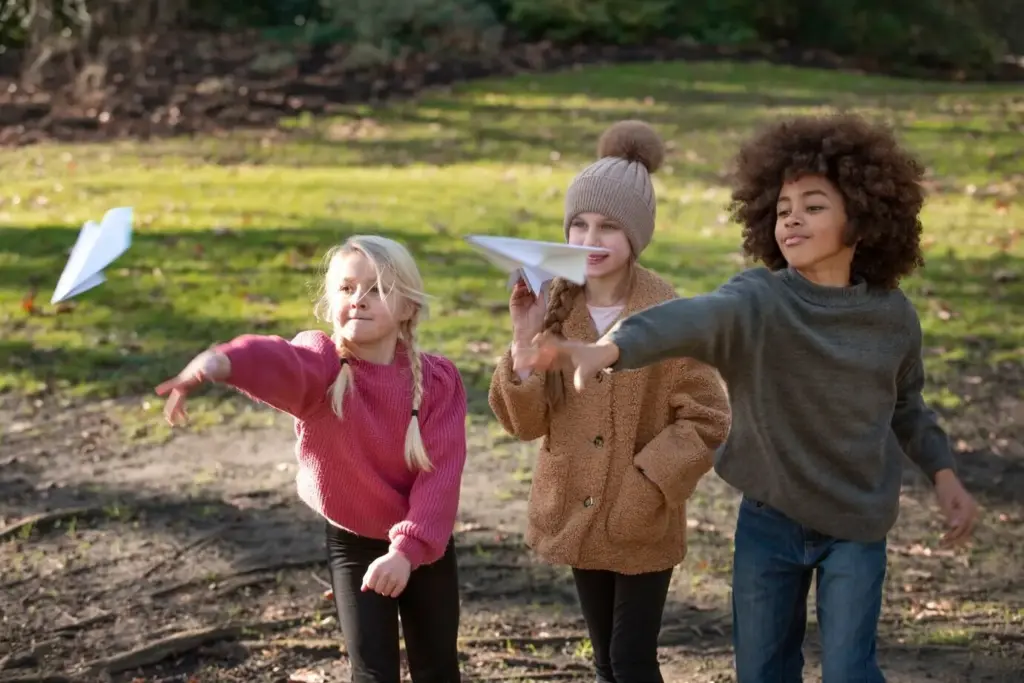
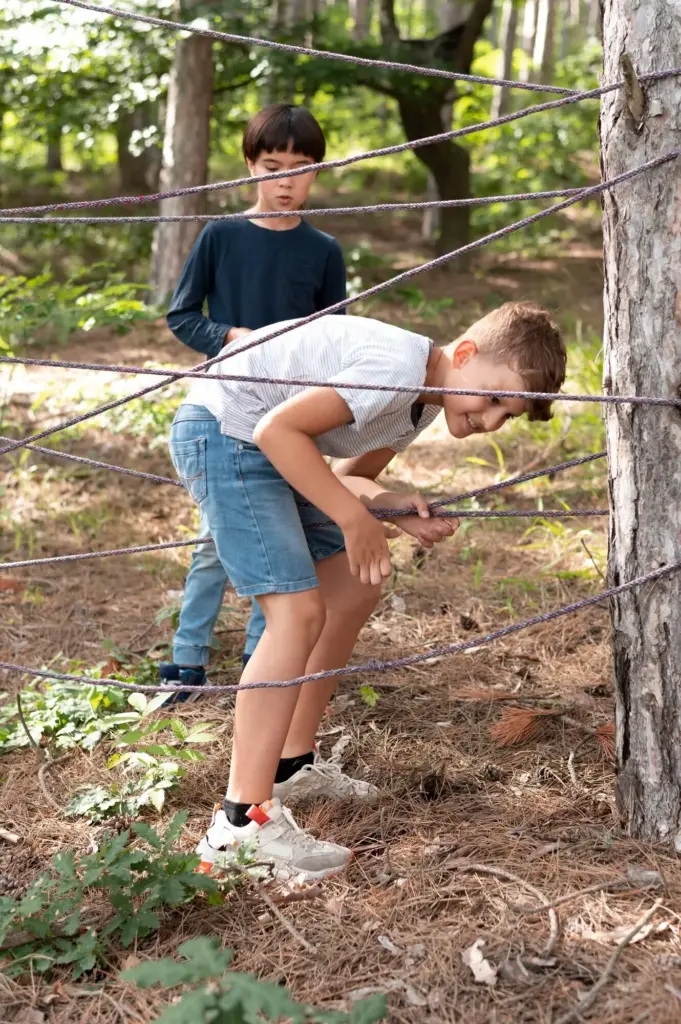
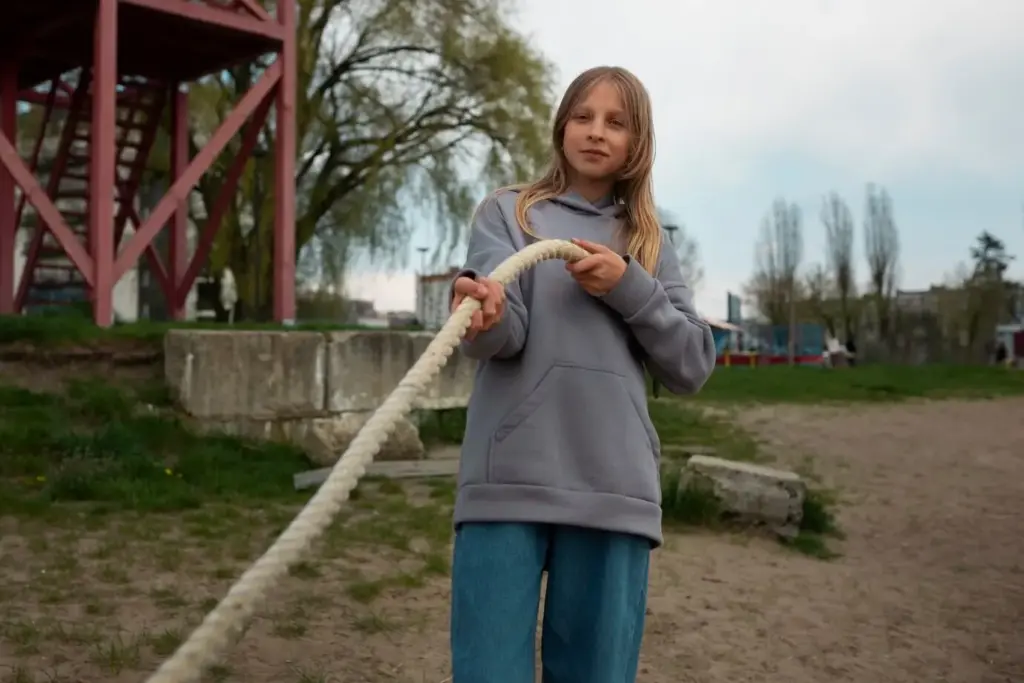
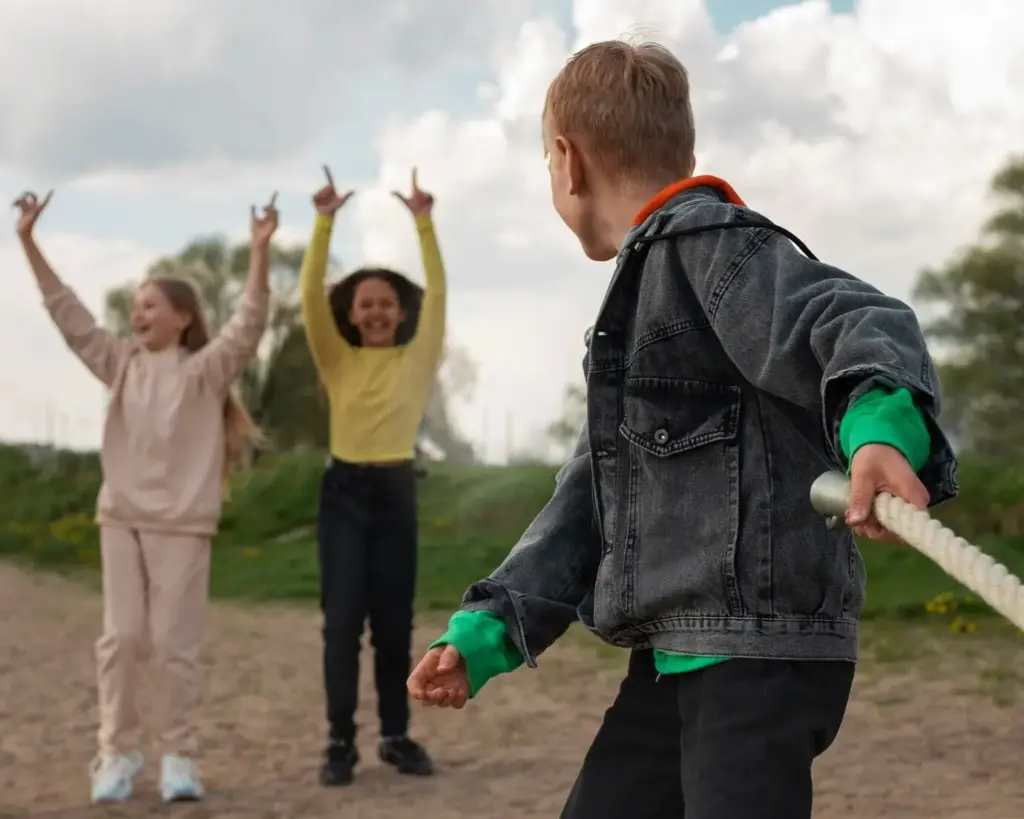
Across continents, familiar mechanics wear local colors. A chasing game looks different in humid monsoons than on icy sidewalks, yet the social lessons rhyme. Watch how a neighborhood decides substitutes, handles fouls, or invites younger siblings. Listen to chants that pace the action, steady nerves, or invite laughter after a stumble. Regional case studies reveal that the same core impulses—belonging, mastery, recognition—surface through different designs. This comparative lens shows why a single rule tweak can tilt a group toward alliance, rivalry, or something beautifully in between.

What Play Teaches Beyond the Score

Designing Inclusive Play Experiences

Mechanics That Invite Everyone In

Start by clarifying what success should feel like: relief from isolation, a fair test of skill, or a sparkling collaboration. Then select mechanics accordingly. Shared resources promote negotiation; asymmetrical roles reveal hidden talents; timed phases keep energy balanced. Consider equipment scarcity as creative fuel, inviting players to prototype tools from recyclables. Offer optional mini-challenges for quieter participants to shine. When the rules scaffold different ways to contribute, children discover unexpected strengths. The magic arrives when teammates notice and amplify those strengths until participation becomes a habit, not a hurdle.

Facilitation, Safety, and Repair

A caring adult or peer moderator protects psychological safety without smothering spontaneity. Establish brief check-ins, name opt-out options, and model language that separates behavior from identity. When conflicts flare, pause for a quick reset ritual—breathe, restate intentions, and replay the moment with adjusted roles. Celebrate fair calls, not only flashy plays. At day’s end, a short reflection circle helps children harvest lessons and recognize one another’s contributions. These routines normalize repair, making future disagreements feel navigable. Safety becomes visible, and risks become invitations rather than threats.

Measuring What Matters

Beyond scoreboards, track cooperation signals: equitable turns, helpful prompts, and quick recoveries after mistakes. Use simple observation sheets or peer shout-outs that spotlight kindness and smart adjustments. Rotate who holds the clipboard so evaluation is shared, not imposed. Ask reflective questions: Who felt included today? Which rule change helped? Where did tension spark growth? Over weeks, patterns appear, guiding small tweaks that yield big social dividends. When children see that collaboration earns recognition alongside skill, they invest in both, building a culture where progress feels communal and sustainable.

Online Collaboration That Builds Worlds

In sandbox platforms and creative co-ops, children draft blueprints, split tasks, and credit one another’s discoveries. Mentors emerge informally: a modder teaches texture packs; a friend documents builds; another curates screenshots for a gallery. Translation bots and emoji evolve into shared shorthand, bridging cultures with playful efficiency. When projects falter, teams revisit scope, redirect effort, or archive partial successes without shame. This loop—ideate, build, reflect—instills a maker’s mindset. Cooperation becomes visible in chat logs, layered structures, and the durable pride of creating something larger than any single player.

Healthy Rivalry in Esports and Ladders

Ranked systems compress learning into intense feedback cycles, but they need guardrails. Adults can model cooldowns after tough losses, emphasize VOD review over blame, and spotlight micro-improvements like better positioning. Teams that rotate shot-calling prevent burnout and teach flexible leadership. Cross-regional scrims introduce etiquette differences, encouraging curiosity rather than mockery. When leaderboards are framed as progress trackers, not identity badges, kids take risks that accelerate growth. The result is competition that sharpens craft while protecting dignity, making hard-won victories feel earned rather than extracted at social cost.

Hybrid Playgrounds and the Road Ahead

Location-based games, augmented tags, and classroom quests stitch physical movement to digital storytelling. A city square becomes a lore map; a museum hallway, a cooperative puzzle path. Parents and teachers set reflective checkpoints so excitement turns into learning. Cultural archives can inspire localized quests that honor community heroes and languages. Accessibility tools—contrast modes, remappable inputs, adjustable pacing—extend invitations to more players. The future belongs to designers who treat belonging as a core mechanic, ensuring that whether children chase, build, or debate, they return tomorrow eager to include others.

From Courtyard to Server

Digital playgrounds remix old dynamics with new tools. Cooperative building worlds encourage resource sharing, co-design, and modding mentorship. Ranked ladders turbocharge competition, sometimes stressing status but also rewarding disciplined practice. Cross-cultural servers mix languages and etiquette, teaching kids to translate play norms in real time. Offline, families negotiate screen limits and socialize sportsmanship. Educators harness game mechanics for project-based learning, pairing quests with reflection. The line between physical and virtual blurs, yet the enduring lesson persists: relationships shape rules, and rules shape who we become together.
Tenumixeninino
Privacy Overview

This website uses cookies so that we can provide you with the best user experience possible. Cookie information is stored in your browser and performs functions such as recognising you when you return to our website and helping our team to understand which sections of the website you find most interesting and useful.